Understanding Vietnam's Unique Culture and History
Vietnam is a fascinating country filled with a rich tapestry of history and culture that has been shaped by numerous influences over centuries. From its ancient civilizations to its tumultuous 20th century, Vietnam's past is as diverse as its people. This comprehensive guide will unfold the layers of Vietnam's heritage, exploring its historical events, cultural practices, and the natural beauty that defines this Southeast Asian gem. Whether you are a history buff, a culture enthusiast, or simply seeking adventure, understanding Vietnam's unique identity will enrich your travel experience.
For more insights into Vietnam's culture and history, you can explore https://joeyvisavietnam.com/.
Overview of Vietnam's Rich Heritage
Vietnam's heritage is a reflection of its diverse ethnic groups, historical struggles, and its journey toward modernity. Over 54 distinct ethnic groups contribute to the cultural mosaic of the nation, each with its own traditions, languages, and customs. The majority, the Kinh, make up about 86% of the national population, while the remaining groups enrich the country's cultural landscape with their unique practices.
The Vietnamese culture has been profoundly influenced by centuries of foreign domination, including Chinese, French, and American presence. This amalgamation of traditions has birthed a unique identity, evident in the arts, architecture, and community lifestyles across the nation. Traditional art forms like water puppetry and folk music, alongside practices such as ancestor worship, highlight the deep-rooted respect for heritage and familial bonds.
The Impact of Historical Events on Modern Vietnam
Vietnam's contemporary society is a testament to its tumultuous history. The impact of thousands of years of Chinese rule, French colonization, and the Vietnam War has shaped its political landscape and cultural identity. The two-decade war against the United States, marked by significant loss and hardship, ultimately resulted in a spirit of resilience and unity among the Vietnamese people.
Post-war Vietnam has seen remarkable growth and transformation. The Đổi Mới reforms initiated in 1986 shifted the economy from a centrally planned system to a socialist-oriented market economy, allowing for increased foreign investment and tourism. Today, Vietnam stands as one of the fastest-growing economies in Southeast Asia, blending traditional values with modern aspirations.
Cultural Practices and Traditions to Experience
Visitors to Vietnam can immerse themselves in its rich traditions through various cultural practices. Festivals like Tet Nguyen Dan, the Vietnamese Lunar New Year, provide a vibrant showcase of traditions, food, and customs, marking new beginnings and reverence for ancestors.
Additionally, experiencing local markets, where traditional crafts and foods are abundant, allows travelers to engage directly with Vietnam's cultural fabric. Participating in a tea ceremony or attending a traditional dance performance can lead to a deeper appreciation of the country's heritage.
Must-Visit Destinations in Vietnam
Vietnam is dotted with stunning destinations ranging from bustling cities to tranquil natural wonders. Each location offers a unique glimpse into the country's diverse landscape and culture, compelling travelers to explore and discover.
Top Cities to Explore: Hanoi, Ho Chi Minh City, and Da Nang
Hanoi, the capital of Vietnam, is known for its centuries-old architecture and a rich culture influenced by Southeast Asian, Chinese, and French styles. The Old Quarter, with its narrow streets and vibrant street food, is a highlight. Here, visitors can savor delicious pho and banh mi while immersing themselves in the local atmosphere.
Ho Chi Minh City, formerly known as Saigon, is a bustling metropolis that showcases the dynamic spirit of modern Vietnam. Its blend of historic and contemporary architecture, exemplified by landmarks such as the War Remnants Museum and the iconic Bitexco Tower, reflects the city's vibrant energy.
Da Nang, on the other hand, combines urban allure with stunning natural beauty. Situated along the coastline, it serves as a gateway to the ancient town of Hoi An and the historic ruins of My Son. The golden sands of My Khe Beach beckon for relaxation, while the Marble Mountains offer hiking opportunities and breathtaking views.
Natural Wonders: Halong Bay and National Parks
Halong Bay is perhaps Vietnam's most famous natural wonder, noted for its emerald waters and limestone islands topped with rainforests. A cruise through the bay presents opportunities for kayaking, swimming, and exploring the numerous caves that dot the landscape.
In addition to Halong Bay, Vietnam is home to several national parks, such as Phong Nha-Ke Bang National Park, a UNESCO World Heritage site. It boasts some of the world's largest and most spectacular caves, including the Son Doong Cave, which is so vast it features its own ecosystem.
Cultural Landmarks: Temples, Pagodas, and Historic Sites
Vietnam is rich in historical and cultural landmarks. The Temple of Literature in Hanoi, dedicated to Confucius and Vietnam's first university, is a must-visit for history enthusiasts. Its tranquil gardens and ancient architecture provide a serene backdrop for reflection.
Other notable sites include the Imperial City of Hue, where visitors can explore the remnants of the Nguyen Dynasty, and the stunning One Pillar Pagoda, characterized by its unique design symbolizing purity.
Essential Travel Tips for Visiting Vietnam
Traveling to Vietnam can be a rewarding experience with proper preparation. Here are some essential tips to ensure a smooth journey.
Visa Requirements and Entry Guidelines
Before traveling, it's crucial to understand Vietnam's visa requirements. Most travelers will need a visa to enter the country, depending on their nationality. E-visas are now available for citizens of many countries, offering a convenient alternative to traditional visa applications. Make sure to check the latest entry guidelines as they can change frequently.
Local Etiquette and Customs to Observe
Respect for local customs and etiquette goes a long way in Vietnam. It is customary to greet with a nod or a slight bow, and dress modestly when visiting temples. Showing respect for elders and being polite can enhance your interactions with locals.
Safety Tips and Health Precautions for Travelers
Vietnam is generally safe for travelers, but like any destination, it’s wise to remain vigilant. Avoid displaying valuables in public and be cautious when using public transportation. Health-wise, it is advisable to drink bottled water and ensure your vaccinations are up to date.
Experiencing Vietnamese Cuisine
The culinary landscape of Vietnam is as diverse as its culture, offering a plethora of dishes that reflect local flavors and ingredients.
Signature Dishes to Try Across Regions
Vietnamese cuisine varies significantly from the north to the south of the country. In the north, dishes like "Bun Thang" (a noodle soup) and "Cha Ca" (grilled fish) are local specialties. Central Vietnam is famous for its spicy dishes, such as "Banh Xeo" (Vietnamese pancakes), while the south is known for its sweet flavors, exemplified in "Com tam" (broken rice). Each region offers a unique culinary experience that travelers should not miss.
Best Local Restaurants and Street Food Markets
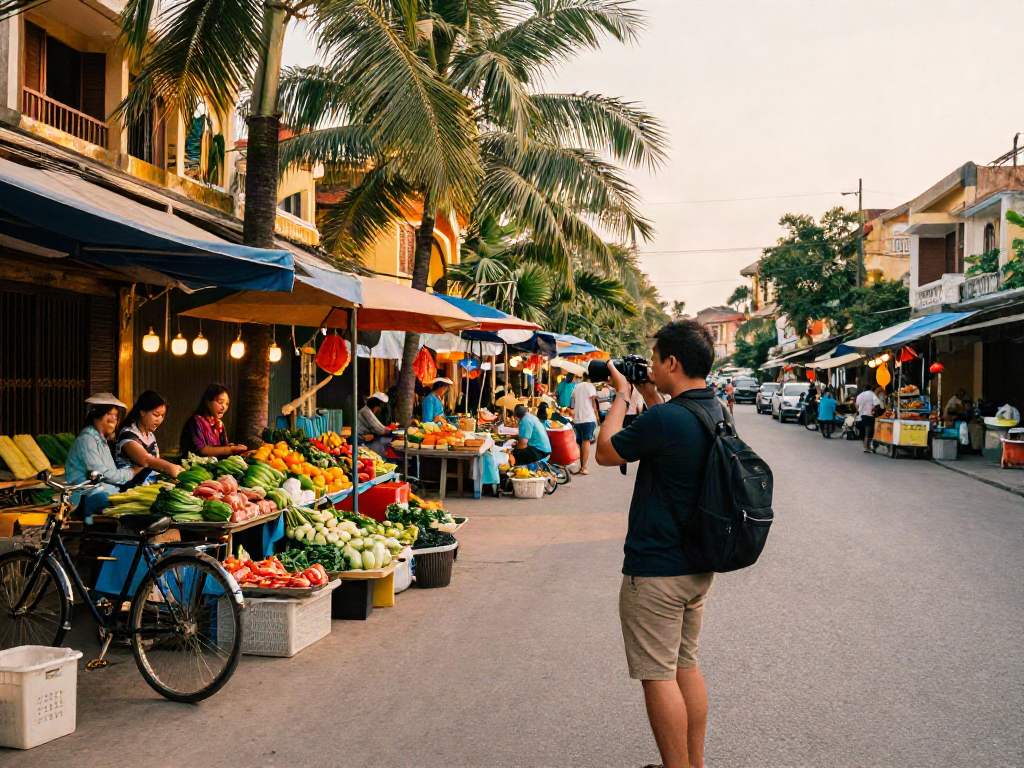
Street food is an integral part of Vietnam's food scene. Markets such as Ben Thanh in Ho Chi Minh City and Dong Xuan in Hanoi teem with vendors offering a variety of local dishes. Additionally, countless restaurants across the country provide the opportunity to enjoy authentic Vietnamese food in a more comfortable setting.
Cooking Classes and Culinary Workshops
For those looking to dive deeper into Vietnamese cuisine, enrolling in a cooking class can be a rewarding experience. Many classes begin with a market tour to select fresh ingredients, followed by guided cooking sessions where you can learn to prepare traditional dishes under the supervision of local chefs.
Planning Your Trip: Resources and Itineraries
Planning is key to maximizing your travel experience in Vietnam. Here are some resources and tips for crafting your itinerary.
Travel Itineraries: One Week in Vietnam
A one-week itinerary could cover essential sites, starting in Hanoi for a few days, then moving south to visit the cultural hotspots in Hue and Hoi An, and finishing in Ho Chi Minh City. Each locale would provide a distinct taste of Vietnam's diverse offerings, blending culture, history, and natural beauty.
Budgeting for Your Trip: Costs and Savings Tips
Vietnam is known for being a budget-friendly destination. Accommodations range from luxury hotels to budget hostels, with street food providing delicious meal options at low prices. Be sure to allocate your budget wisely to experience a mix of dining, attractions, and transportation.
Recommended Travel Apps and Resources for 2026
To make the most of your trip, consider using travel apps that provide real-time information on accommodation, transportation, and local attractions. Applications like Grab for transportation and Google Maps for navigation can be invaluable tools during your stay in Vietnam.
What are the top attractions to visit in Vietnam?
Vietnam is home to a wide range of attractions, including the ethereal beauty of Halong Bay, the historic streets of Hoi An, and the profound history reflected in the Cu Chi Tunnels and the War Remnants Museum in Ho Chi Minh City.
How should I prepare for traveling to Vietnam?
Preparation for your trip should include securing necessary visas, ensuring you have adequate vaccinations, and researching local customs to enhance your travel experience. Familiarizing yourself with basic Vietnamese phrases can also be helpful.
What is the best time to visit Vietnam for optimal weather?
The best time to visit Vietnam largely depends on the regions you plan to explore. Generally, the dry season from November to April offers the best weather conditions for traveling across the country.
Are there any safety concerns for travelers in Vietnam?
While Vietnam is relatively safe for tourists, it’s wise to stay informed about your surroundings, secure your personal belongings, and follow local advice regarding areas to avoid, especially in crowded places.
What unique cultural experiences should I not miss in Vietnam?
Don't miss the opportunity to experience traditional Vietnamese festivals, take part in a cooking class, and explore rural areas to engage with local communities and their customs.